
Young Adult Books on Anti-Racism and Systemic Racism in America
by Crystal Hicks, Collections Librarian
 In the past year, Black Lives Matter and anti-racism have gained growing mainstream attention and support in the United States. White Americans are finally beginning to reckon with the devastating frequency with which Black Americans are killed by the police and the systemic racism that allows these killings to continue. For teens (or adults) who want to learn more about Black Lives Matter, anti-racism, and the history of systemic racism in the United States, here are some books to get you started.
Jason Reynolds’s “Stamped” remixes Ibram X. Kendi’s history of racism in America, “Stamped from the Beginning,” into a text that’s accessible for teenagers. Most chapters are shorter than 10 pages, and Reynolds includes breaks for readers to process the heavy truths they’re learning. Kendi and Reynolds follow racism through American history and label historical figures as segregationists (wanting to keep whites and Blacks separate), assimilationists (wanting Blacks to change themselves to be accepted by whites), and antiracists (wanting Blacks to be accepted as they are). Even as someone who doesn’t normally like audiobooks, I loved the audiobook version of “Stamped”—narrated by Reynolds, it’s quick and engaging, clocking in at just over four hours. A children’s version adapted by Sonja Cherry-Paul, “Stamped (for Kids),” comes out in May.
“We Are Not Yet Equal,” by Carol Anderson with Tonya Bolden and adapted from Carol Anderson’s “White Rage,” treads similar ground. Anderson introduces the concept of white rage—the white response to punish and negate any progress Blacks make towards being equal citizens. White rage has many forms, including laws and Supreme Court rulings, and Anderson traces the impact of white rage from the Civil War through Barack Obama’s presidency. “We Are Not Yet Equal” is a heavier read, with more explicit descriptions of anti-Black violence than “Stamped” and covering its topics in greater detail with more specific examples.
Patrisse Khan-Cullors and asha bandele’s “When They Call You a Terrorist,” adapted for teens by Benee Knauer, is the memoir of Khan-Cullors, one of the founders of Black Lives Matter. This book follows Khan-Cullors from childhood into adulthood, from young outsider in her family to finding a place and a voice as a queer Black woman. Throughout the book, Khan-Cullors and bandele detail the over-policing of Khan-Cullors and the Black men in her family, making overt connections to systemic racism and other instances of police brutality against Blacks. The many vivid stories from Khan-Cullors’s life make the concepts covered by Reynolds and Anderson more personal and immediate, and Khan-Cullors’s story may inspire budding teen activists who are looking for ways to positively change the world.
“This Book Is Anti-Racist” by Tiffany Jewell provides a guidebook for those looking to become anti-racists in the form of 20 lessons. In each chapter, Jewell presents major concepts related to anti-racism, then follows those up with activities that encourage the reader to engage with these concepts and commit to being an anti-racist. Jewell focuses on the intersectionality of racism and oppression, explaining how America’s dominant culture privileges those who are “white, upper middle class, cisgender, male, educated, athletic, neurotypical, and/or able-bodied,” and any deviations from this dominant culture results in increasing levels of oppression (p. 12). Jewell’s text challenges readers’ complacency and directs them to take solid action in the future in whatever way they can.
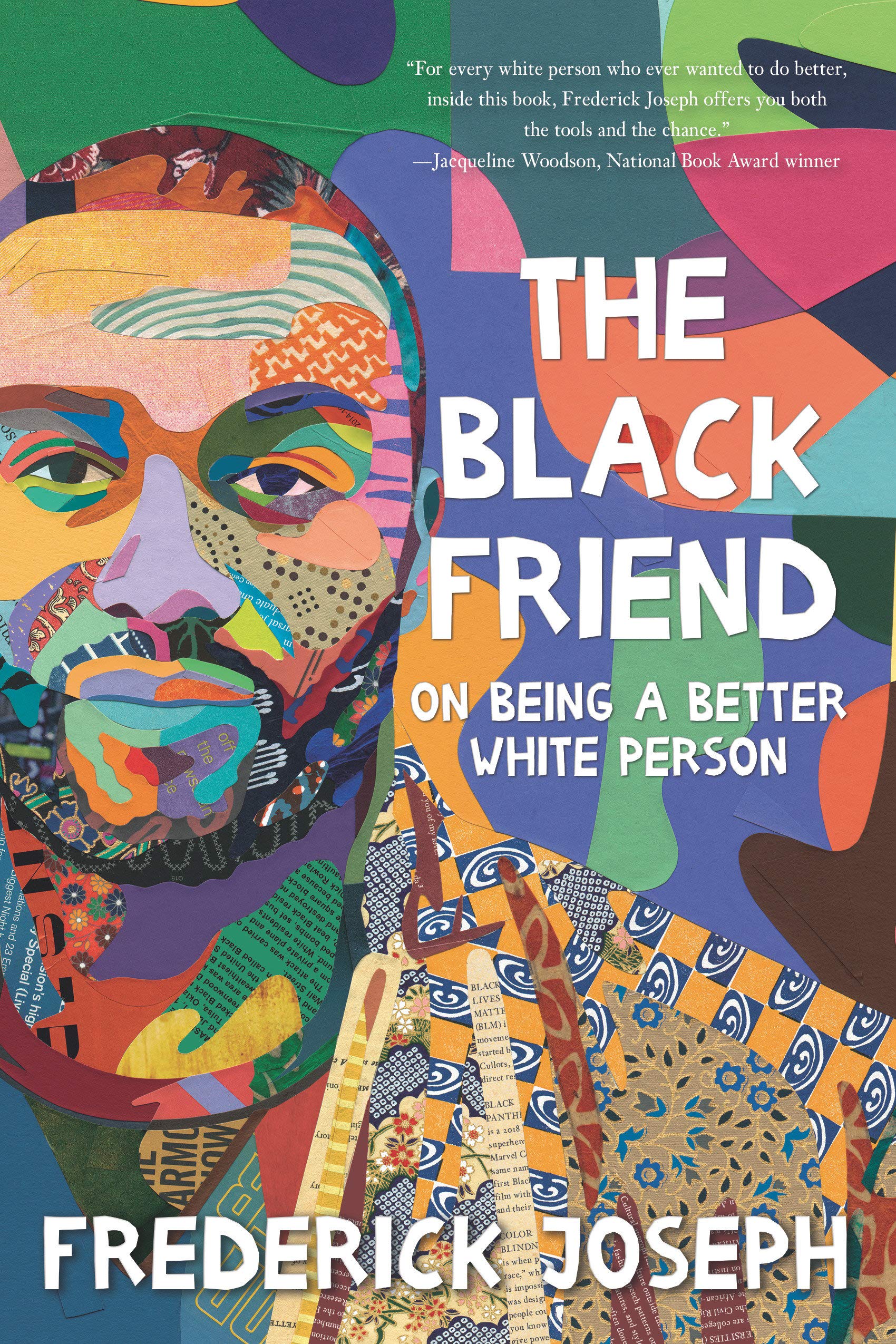
In “The Black Friend,” Frederick Joseph combines instructional text and memoir to provide teaching moments for white readers and mirrors for Black readers. Joseph emphasizes that educating white people is not his duty as a Black man—rather, he chooses to share this gift, but tells his white readers not to expect the same of their own Black friends. Joseph presents race-related incidents and reflects on how he handled things then and how he might handle things differently now, using the examples to explain different aspects of systemic racism and white supremacy. Joseph includes interviews with Black writers in each chapter and caps the book off with “An Encyclopedia of Racism,” suggested areas to expand your anti-racist research, and a playlist of all songs mentioned in the text. If you’re looking for a book that holds your hand while explaining how to be anti-racist, this is it.
The library has many more books on all of these topics, ranging from books you can use to discuss the concepts with young children to more scholarly books for adults. If you’d like help finding any of these books, reach out to the library, and we’ll help you continue your education.
 I pulled “
 April has always been my favorite month and not just because it is my birthday mon
 I don’t remember if I picked up the the
 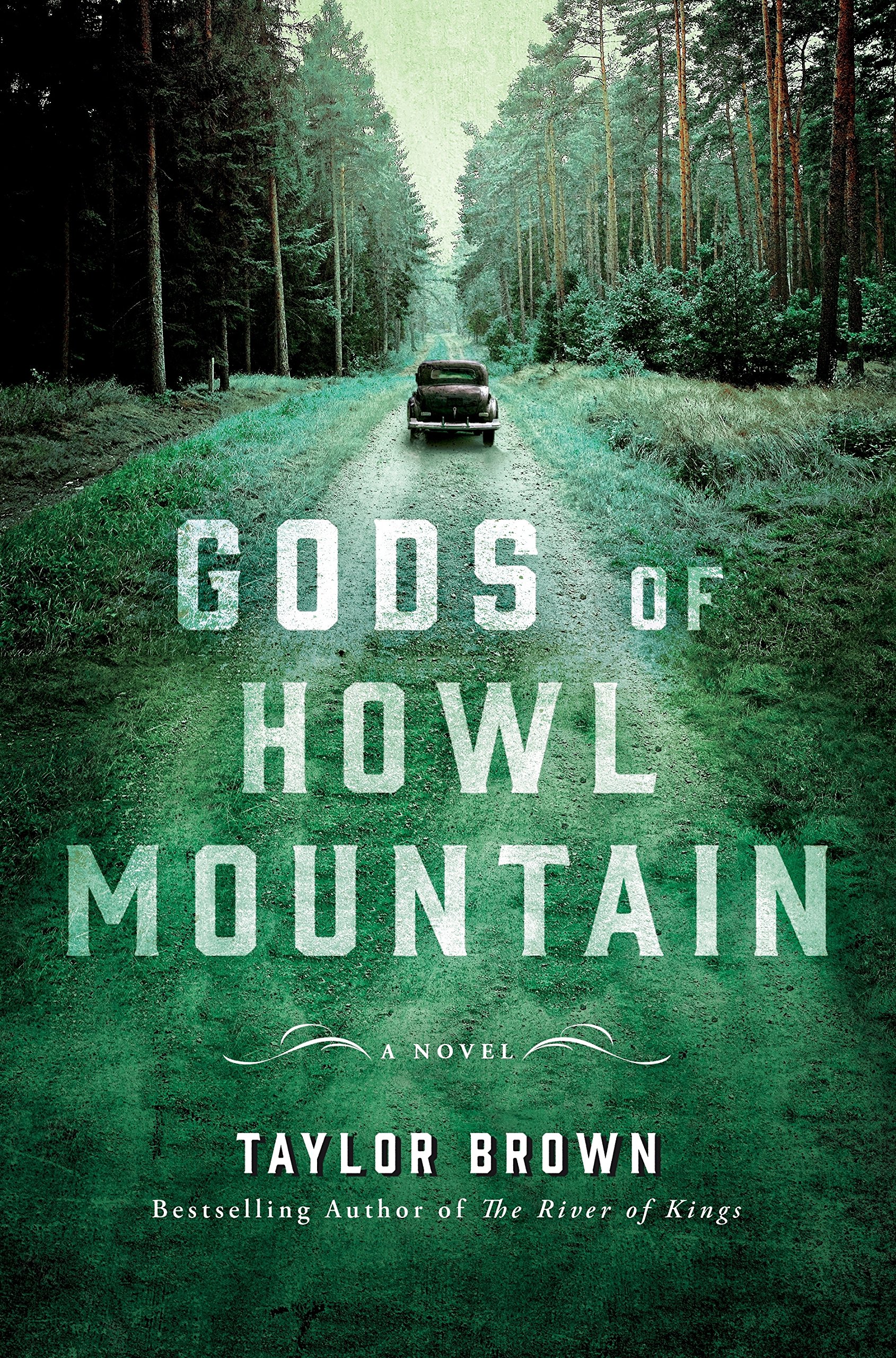 As the weather begins to tease at warmer afternoons and evening thunderstorms, the allure of spring draws me outdoors. It was always during this weather that our family would pack into our car for a several hour drive to the Rocky Mountains. A hint of the ranges would rise over the flat Eastern Colorado horizon until the smooth, hazy blue mounds transformed into jagged boulders above the tree line, still garnished with miles of snow along the peaks. Years later, I averted my eyes from a similar rocky drop while hiking to the top of Grays Peak. Sitting at the top of the mountain, I noted the uncountable peaks within my sightline and the slabs jutting out of the innumerable stones below, measuring the hikers on the trail below between my thumb and forefinger. We were in the shadow of nature’s enormity, a minor character in its million-year narrative. It’s this love of the beauty and danger of nature paired with a family history of rural places that has attracted me to Southern Noir. The Appalachian Mountains allow for more life and growth within their peaks than the Rockies to the west, creating the perfect setting.
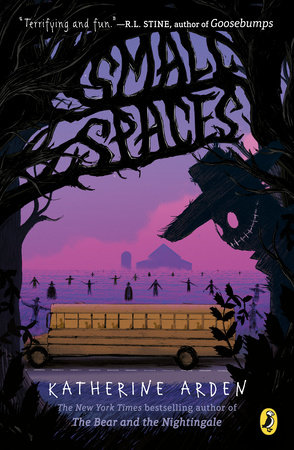 Voting for my favorite William Allen White book was always a treat in elementary school. My school librarian, Mrs. Nickel, got us excited about the books on the list and voting in the election. Announcing the winner was a library celebration. The winning book, with the cover already worn and pages curled from so many checkouts, was ceremoniously given the gold
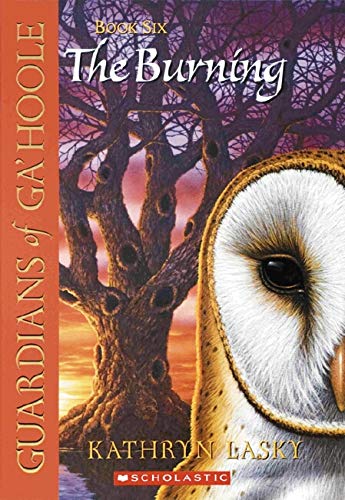
 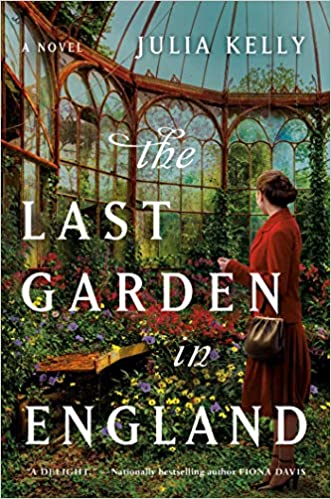 “
“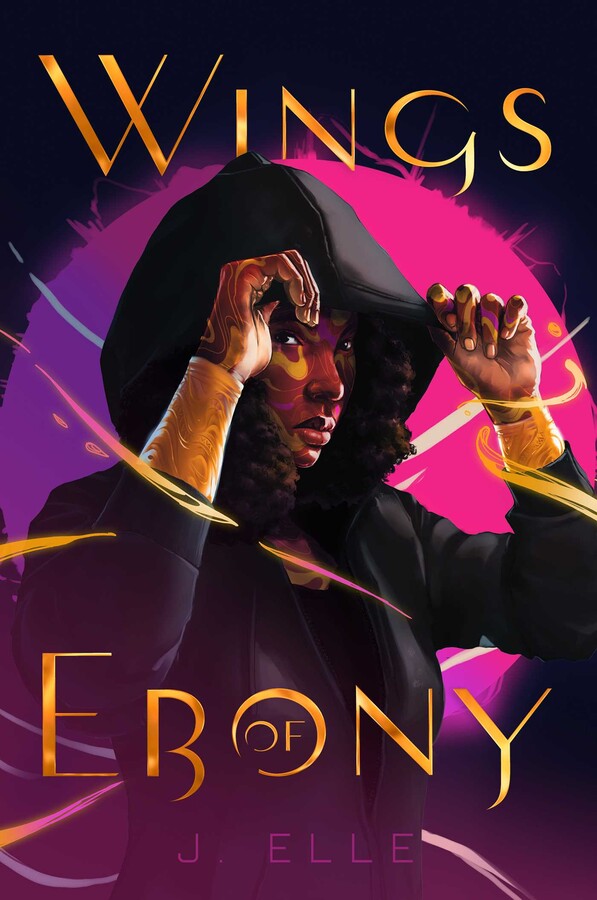 I am a long-time fan of fantasy books. When I was about 10 years old, I picked up “
 To alter a proverb just slightly, I’d say routine is the spice of life. That spice might be the sprinkle of paprika on top of a deviled egg, more there for aesthetics than flavor, but you eat with your eyes first, so aesthetics are important. In this analogy, the deviled egg is your day, and the paprika is that one routine that makes your day a little more appealing.